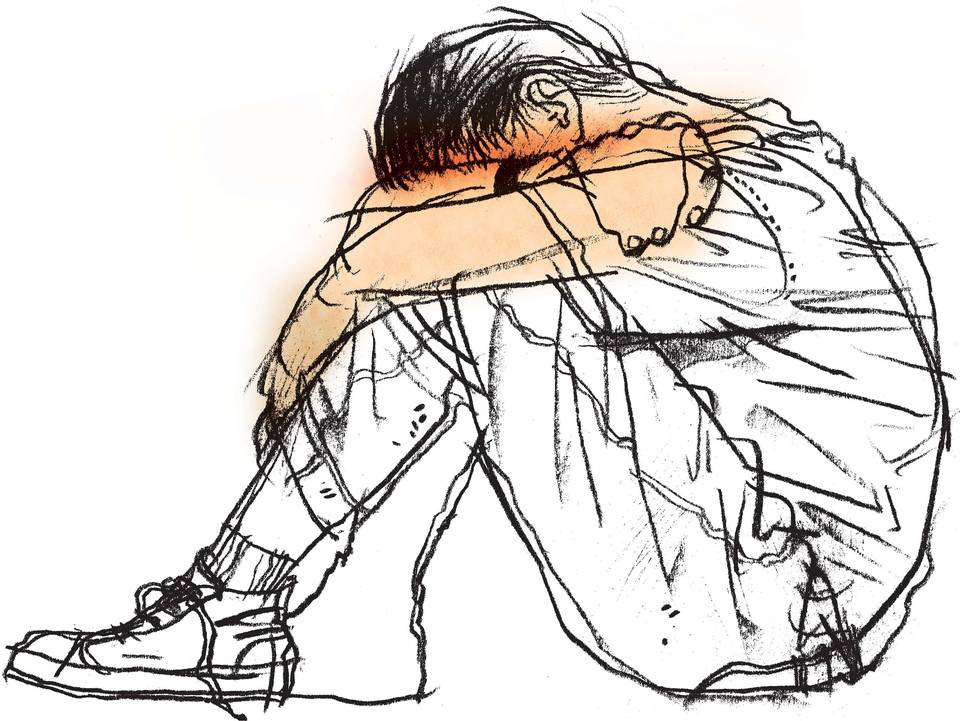
Lasting three months or longer, a chronic condition affects half of all adults in the U.S. By 2020, about 157 million Americans will have a chronic condition. Half will grapple with more than one.
Pain, fatigue, and a wide array of other symptoms…. medication management…. multiple doctor appointments…. uncertainty about the future…. A chronic condition can really take a toll, and even change how you see yourself. If you have a chronic condition, learn what you can do to regain a sense of control over your life, so you can live it to the fullest.
Experiment with stress busters. Find ways to decrease your stress levels:
- Listen to relaxing music.
- Take a walk in nature.
- Call a friend.
- Sign up for an art class.
- Try meditation or qigong.
- Sit quietly in a garden. Take in the beauty of the flowers, birds, and bees.
Go easy on yourself. Are you feeling overwhelmed? Do you find yourself more sad, angry, or fearful than in the past? Feelings like these are common with a chronic illness. Managing a chronic illness may take a lot of energy, focus, and time. And you may face new limits on what you can do or be really worried about your future or that of your family.
Give yourself time to adjust to a new diagnosis and lifestyle. Set realistic goals and let go of activities you don’t need to do. At the same time, know that facing your diagnosis head on is better than pretending it never happened.
Watch for signs of depression. Temporary sadness is expected. But if symptoms like these last more than a couple of weeks, you may have depression and need professional help:
- Feeling worthless, hopeless, guilty, or empty
- Not enjoying activities you did in the past
- Having trouble focusing, remembering details, or making decisions
- Trouble sleeping or sleeping more than usual
- Thoughts of death or suicide
Seek support. You don’t have to do this alone. Even if it’s hard for you to get out and about, there are still resources you can take advantage of.
- Find health care providers who are knowledgeable about your condition and also empathetic!
- See a therapist, especially if you may be depressed. Research suggests that depression combined with a chronic illness can magnify the symptoms of both illnesses. So treatment is more important than ever.
- Find support and information online or in your community. Places to start are the library, social networks, national organizations, and local hospitals. You may be able to connect with others online who have the same condition as you. This may be especially helpful when you feel too ill to go out.
Know that you can also come to any of our pharmacists for support. Of course, we can advise you best about your medications. But we may also be able to point you to other resources. Just remember: We’re here with you for the long haul.
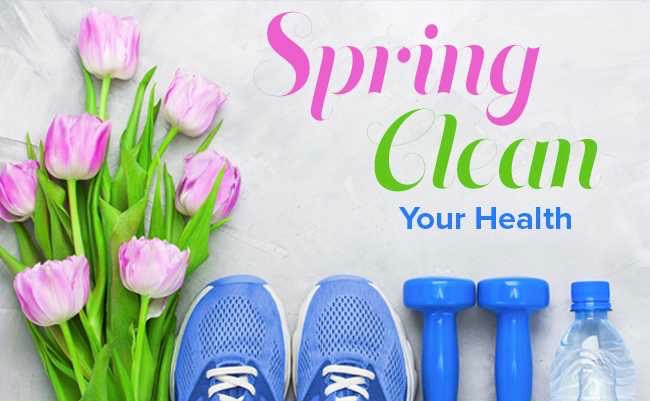 Between the urge to hibernate and going off the rails with holiday goodies—winter can wreak havoc with your health habits. But spring, yes, spring brings the promise of something new! Here are some ideas to help you spring clean your health. I’ll bet you can think of more.
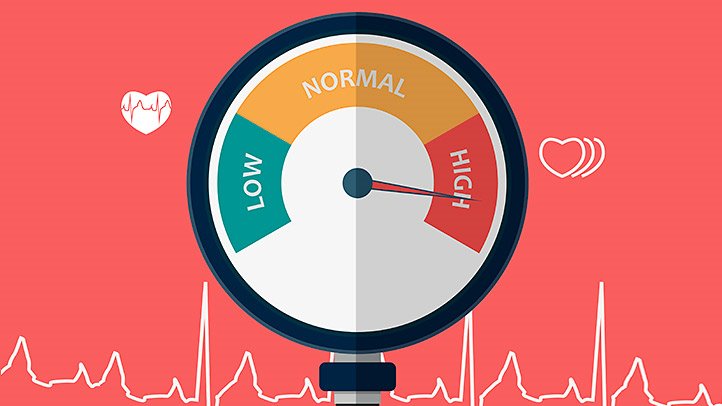 If you’ve got high blood pressure (hypertension), you’re in good company. The American Heart Association estimates that nearly half of all adults in this country have high blood pressure—when blood presses too hard against your blood vessels. That’s not something you can afford to ignore. It doubles your risk of cardiovascular disease—stroke, heart disease, and a bunch of other not-so-fun stuff.
 Did you know that heart disease remains the number 1 killer of women in the U.S.? Responding to its signs and symptoms can help save your life. But first it helps to know that women may experience these signs and symptoms a little differently than men.
 Do you make New Year’s resolutions? If so, what’s at the top of your list—losing weight, quitting smoking, exercising more? If you’re making resolutions like these, we certainly hope you’re successful. Here are a few other resolutions you might not have considered.